Nottingham Forest are set to adopt a back three under new manager Oliver Glasner, a move that could redefine the club’s defensive identity as the season draws to a close. Forest sit 16th in the Premier League with 44 points after 38 games, recent form DLDWW, and will need every tactical edge to climb the table.
Glasner prefers talking about mentality over rigid formations, but his track record at Crystal Palace shows he favours a three‑centre‑back shape in the majority of matches. At Forest, this means pairing centre‑backs Nikola Milenković and João Murillo with the versatile Brazilian defender Morato, who has started the last four league games and both Europa League semi‑final legs. Morato’s ball‑playing style adds a different dimension to the more traditional, reactive Milenković and the proactive Murillo.
The squad already shows flexibility. Danny Higginbotham, former defender who spent a loan spell at Forest in 2012, told The Athletic that the players are used to adapting to new ideas. He noted that Palace’s switch from Roy Hodgson’s rigid back four to Glasner’s fluid system caused no issues for the players, and he expects the same at the City Ground. Forest’s defensive partnership of Milenković and Murillo has been praised as one of the league’s strongest, and adding Morato could give the manager a reliable third option without a major overhaul.
The change arrives as Forest head into a key period. Their last result was a 1‑1 draw with Bournemouth on 24 May 2026, and the recent five‑match run reads 0W‑3D‑2L (DDLLD, most recent first). The next test comes away at Hull City on 2 December 2026. If Glasner can integrate the back three quickly, Forest may tighten the defence that has conceded 51 goals this season, narrowing the -3 goal‑difference gap.
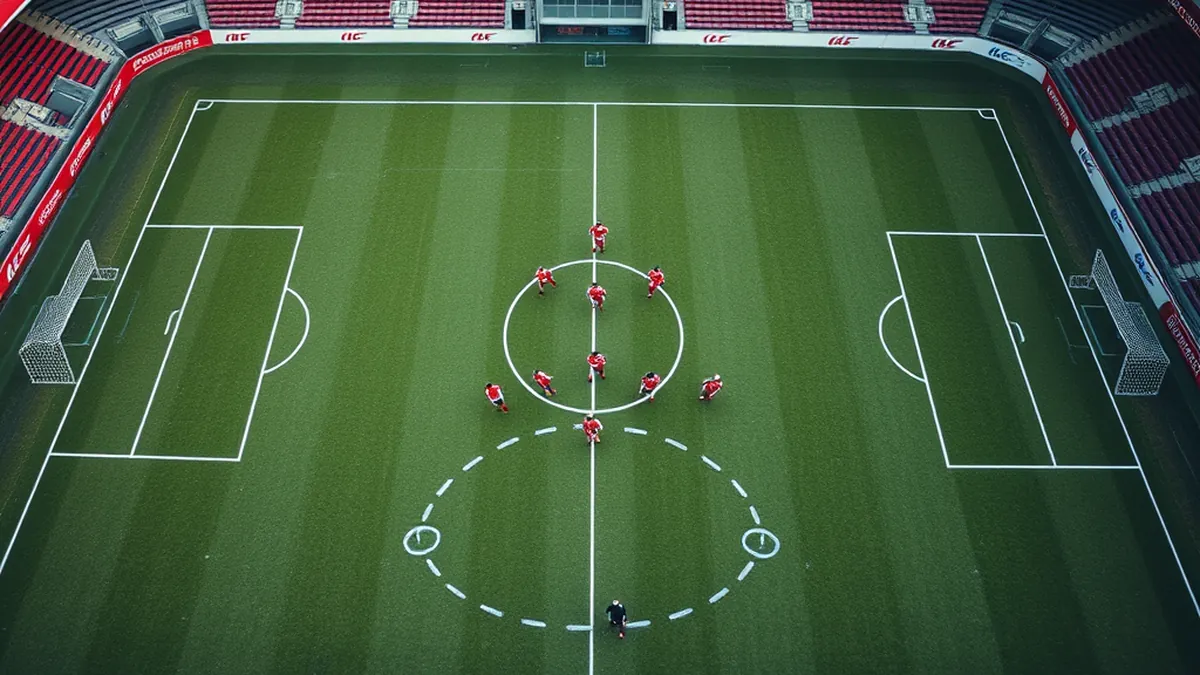
Opponents will need to adjust to a defence that can shift fluidly between a three‑man line and a traditional back four when required. Glasner’s philosophy stresses players understanding their roles, so the back three could become a platform for quick transitions, especially against teams that press high. The tactical flexibility may also free up midfielders to press higher, potentially improving Forest’s attacking output, which currently stands at 48 goals this season.
The back three is likely to be Glasner’s Plan A, not a occasional tweak. If Morato continues to start and the existing partnership holds, Forest could see a steadier defensive record and a chance to climb out of the relegation zone before the season’s final stretch.