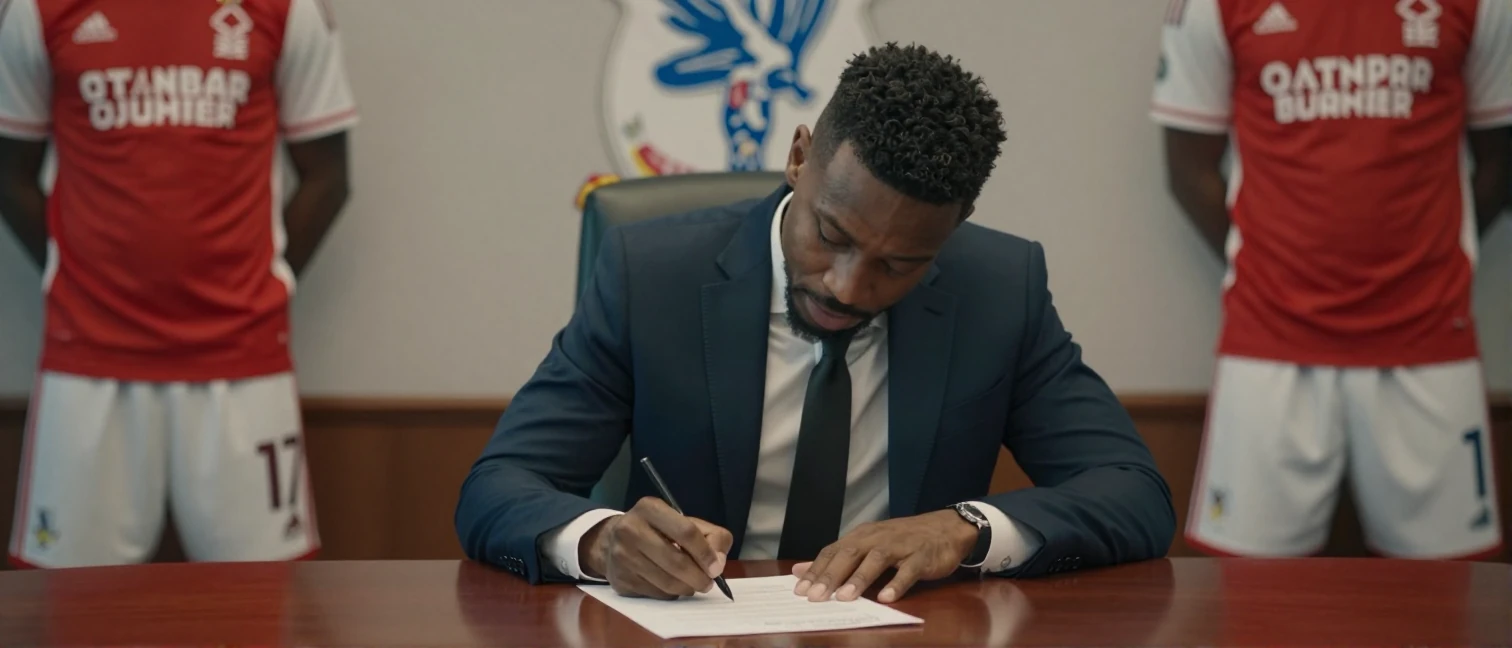
Nottingham Forest have reportedly built a break clause into Oliver Glasner’s contract to avoid a massive £13 million severance if the Austrian is dismissed. The move comes as the club sits 16th in the Premier League with 44 points, having recorded a recent form of 0W‑3D‑2L.
Glasner arrived from Crystal Palace with a £13 million per‑year salary, making him one of the league’s highest‑paid managers. Forest’s owner Evangelos Marinakis has already cycled through five managers in 12 months, so a costly dismissal could cripple the budget. A clause similar to Vítor Pereira’s - which allowed the club to part ways before 30 June - would cap any payout, protecting the club’s finances while still rewarding the manager.
Forest’s current campaign is a struggle: they have scored 48 goals and conceded 51, leaving a -3 goal difference. Their last match, a 1‑1 draw with Bournemouth on 24 May 2026, highlighted defensive frailties that need fixing. If Glasner can steady the ship, the club could close the 41‑point gap to leaders Arsenal and climb out of the relegation zone.
Glasner’s track record includes falling out with owners at Palace and his former German clubs. Marinakis, known for swift managerial changes, may test Glasner’s patience. Mick Brown, former Manchester United chief scout, warned that while the payout could be huge, the break clause will likely protect Forest from paying the full amount if things go sour.
The club is already planning an aggressive transfer window to bolster a leaky defence and add firepower. Targets are being scouted as the season draws to a close, with the aim of turning the recent 0W‑3D‑2L run around. Should Glasner stay the course, Forest hopes to finish the season above the drop zone and lay foundations for a stronger next year.
With Arsenal leading the table, Forest’s 41‑point deficit shows the challenge ahead. Yet a stable managerial situation could see them pull off surprise points against higher‑placed teams. The break clause may be the safety net that allows both club and manager to focus on performance rather than financial fallout.