The echoes of Nottingham Forest’s glorious past were brought to life in November when members of the legendary 1979 teams reunited. This wasn’t just about nostalgia; it was a heartfelt celebration of a club that has witnessed extraordinary highs and lows, particularly in a year that has seen Forest handle the challenges of the Premier League. The event allowed fans to reflect on their unwavering support and the legacy of triumph that still resonates with the current squad.
A Glimpse into History: The 1979 Teams
The 1979 Nottingham Forest teams were nothing short of remarkable. Under the astute management of Brian Clough, they achieved the unimaginable, securing both the European Cup and the First Division title in the same year. With legends like John McGovern, the most successful captain in the club's history, these players not only brought silverware to the City Ground but also instilled a sense of belief that has transcended generations.
The reunion featured an emotional return to the pitch for many of these players, who proudly wore the red jersey once more. Fans were treated to stories of camaraderie, dedication, and the relentless pursuit of excellence that defined their careers. The gathering was not only a celebration of past glories but also a reminder of the values that continue to inspire the current squad today.
The Impact on Current Players
For the current squad, witnessing the legends from 1979 is more than just an inspiring moment; it's a call to action. Players like Taiwo Awoniyi and Morgan Gibbs-White can draw motivation from the stories of perseverance and teamwork shared by their predecessors. It reinforces the idea that while talent is key, the heart and spirit of Nottingham Forest are what truly elevate the club.
This connection between past and present can help the current players understand the weight of the badge they wear. The fans expect commitment, resilience, and, above all, a desire to win. When players see the legacy left by the likes of Clough and McGovern, it can ignite a fire within them to perform not only for themselves, but for the history they are now a part of.
What this means for Nottingham Forest
The reunion of the 1979 teams serves as a vital reminder of what Nottingham Forest represents. This club isn't just about statistics and league positions; it's about a community bound by passion and history. For fans, the event reignited feelings of pride and nostalgia, particularly for those who watched those teams in their prime. It also emphasizes the importance of maintaining that connection between the club's storied history and its current trajectory.
Also, as the club strives to establish itself in the Premier League, the legacy of the past can serve as both a blueprint and a source of inspiration. If the current players can emulate the determination and spirit of their predecessors, it could lead to a brighter future for The Reds.
Fan Reactions: A Community United
The reunion was met with overwhelming enthusiasm from the fanbase. Supporters gathered not only to celebrate the past but to engage with the legends who have shaped their club's identity. Social media platforms buzzed with memories shared and respect for the players who laid the foundations for the club's success.
- Fans expressed their gratitude for the legends' contributions.
- Many shared personal stories of how these players impacted their lives.
- A sense of unity was palpable, with supporters from all generations coming together.
This event reaffirmed the idea that while football is played on the pitch, its true essence lies in the community it fosters. The love and respect for these former players created a bridge between generations.
The Legacy of Brian Clough
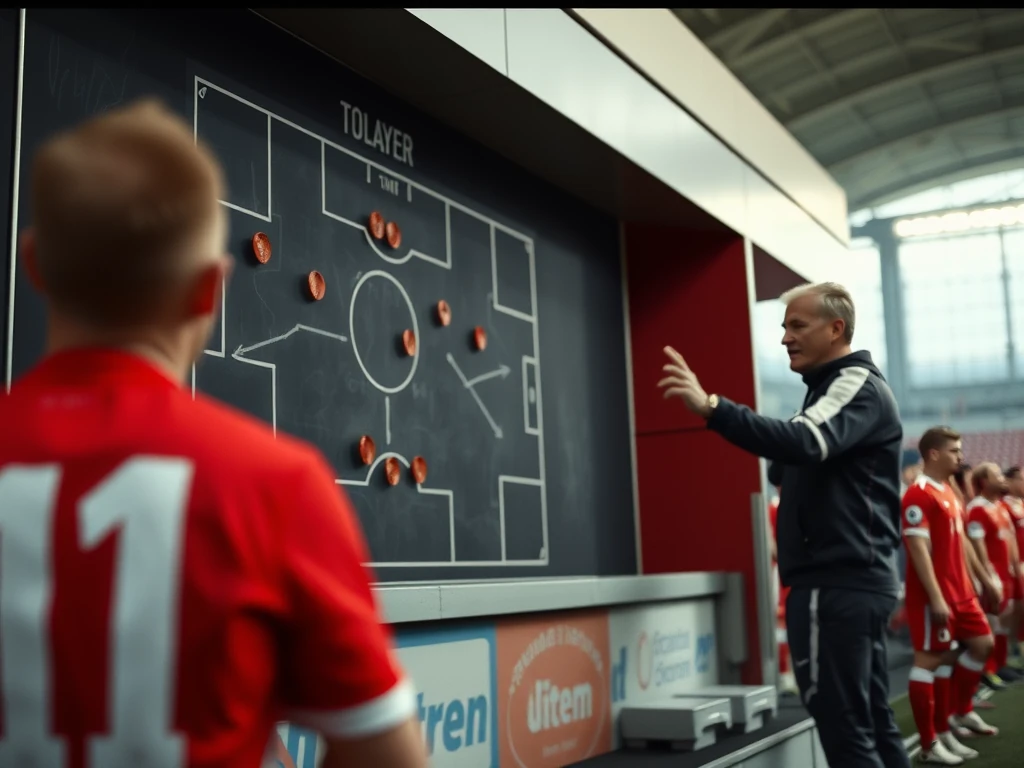
It's impossible to discuss the 1979 teams without mentioning Brian Clough. His managerial genius transformed Nottingham Forest into a force to be reckoned with in both English and European football. Clough's philosophy of teamwork and mental strength is still echoed in the club's culture today.
His approach to management, blending discipline with a sense of fun, created an environment where players thrived. This legacy is key as the current management under Steve Cooper seeks to build a squad that embodies those same principles. Clough's influence remains a guiding light, as the club aims to achieve consistent success in the Premier League.
Critics will argue that romanticising the past can detract from the present challenges. They might point out that the modern game has changed significantly and that the current squad faces different pressures compared to their predecessors. However, it’s essential to understand that the spirit and values cultivated during the Clough era can still resonate and inspire today's players.
As Nottingham Forest continues to handle the complexities of the Premier League, the lessons learned from the past will undoubtedly be invaluable. The club's leadership and players must strive to embody the tenacity and commitment displayed by the 1979 teams. The upcoming fixtures will test their resolve, but with the support of a passionate fanbase and a rich history backing them, there’s every reason to believe that The Reds can rise to the occasion.
the reunion of the 1979 teams isn't just a sentimental journey; it's a vital part of Nottingham Forest's ongoing narrative. It reminds both players and fans alike of the club's extraordinary legacy and the role they play in shaping its future. As they look ahead, the focus will be on building a new chapter that pays homage to the past while striving for future success.